1Chapter 2: The Mindset Shift
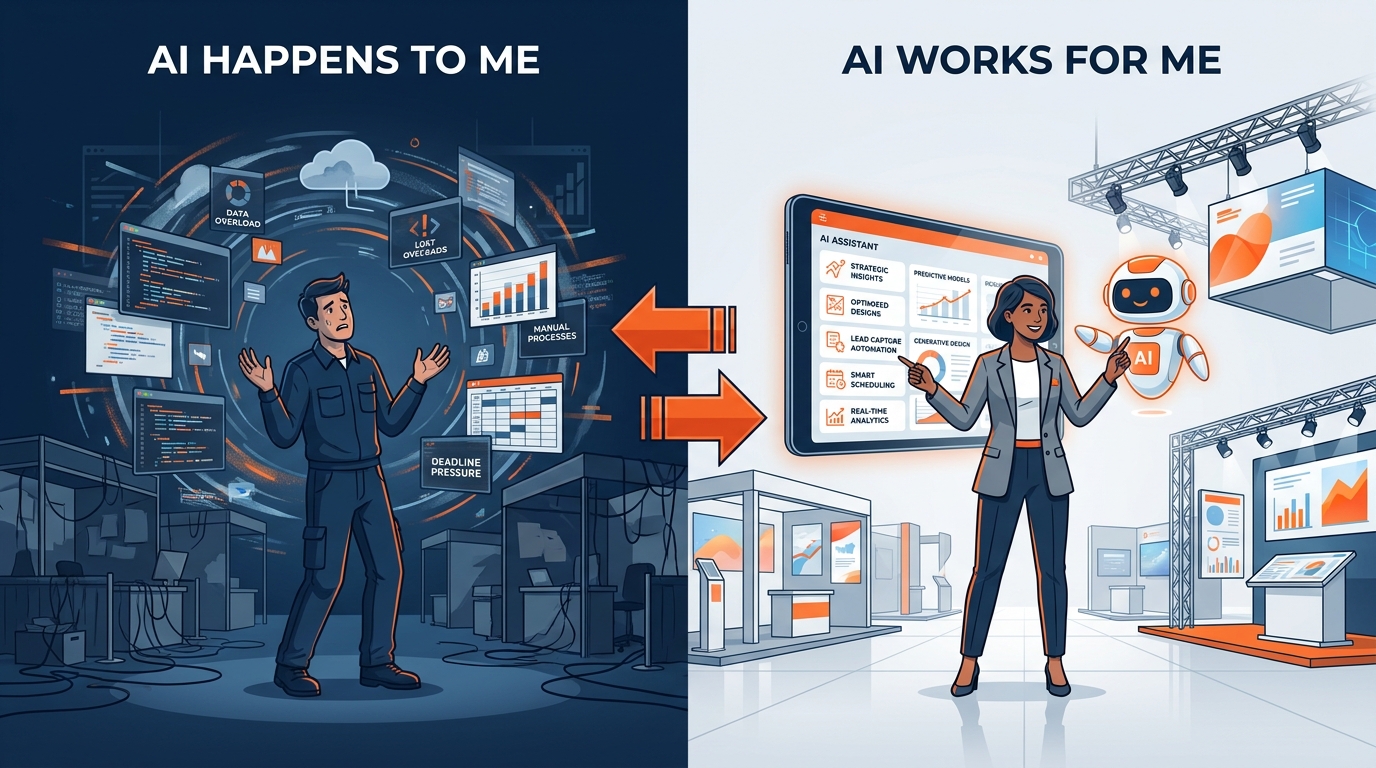
Figure 1:The shift from Task Doer to AI Orchestrator is not a technical upgrade. It is a fundamental redefinition of where your value lives.
“My value multiplies when I orchestrate AI’s capabilities with human judgment.”
Let’s begin with a confession.
Everything in Chapter 1 was true. The LLM brain, the flashlight, the context window, the persona — all of it real, all of it useful. But here is the uncomfortable truth that most AI training programs skip over: knowing the tools is not what determines who thrives in the AI era.
Knowing the tools is table stakes. Everyone will eventually know the tools.
What determines who thrives — what separates the people at GES who become genuinely more capable from those who just add a new layer of busyness to the same old workflow — is something that happens before you open Copilot. Something that happens in the space between your ears, in the model of yourself that you carry around every day.
It is the mindset.
And this chapter is about that. Not the soft, motivational-poster version of mindset. The real version — the specific, evidence-based, psychologically grounded version. The one with data behind it, the one that explains what is actually happening when capable people get stuck, and the one that gives you a concrete path from stuck to moving.
This is the inner work. And it is arguably the most important chapter in this book.
One more thing before we start. GES has a language for this already, and we are not going to invent a new one. The T.R.U.E. values — Trust, Responsibility, Understanding, Excellence — are not a poster in the Las Vegas lobby. They are the operating logic of a company that puts 4,000+ live experiences on the floor every year in 75+ countries and gets it right often enough that 150,000+ exhibitors come back. Every framework in this chapter hangs off those four letters. If you remember nothing else from Chapter 2, remember this:
Table 1:The T.R.U.E. Mindset for AI at GES
Value | What it means when you work with AI |
|---|---|
Trust | AI is a tool, not an oracle. Verify every output before it carries the GES name. Be honest with your team and your clients about what the machine did and what you did. |
Responsibility | You own every output with your name on it. AI does not transfer accountability. A wrong freight target is wrong whether a person or a model typed it. |
Understanding | People come first. AI takes the toil so you can give exhibitors, organizers, and the crew in the marshaling yard more of your actual attention. |
Excellence | AI raises the floor. Humans raise the ceiling. The machine gets everyone to competent; only you get the show to extraordinary. |
1.11. The Fastest Rate of Change in Human History
Let us start with a fact that should stop you cold.
In 2001, futurist Ray Kurzweil made a prediction that, at the time, most people dismissed as grandiose. He said that the 21st century would see not 100 years of progress — but 20,000 years of progress, compressed. And that by roughly 2045, the rate of change in the world will be so rapid, so profound, that our ability to predict what happens next will essentially break down.
You can argue with his timeline. What you cannot argue with is the directional observation: the rate of change is accelerating, and AI is the primary engine.
Here is a concrete arc that should make this viscerally real for you. Consider what happened to AI capability between 2022 and 2026 — a span of just four years:
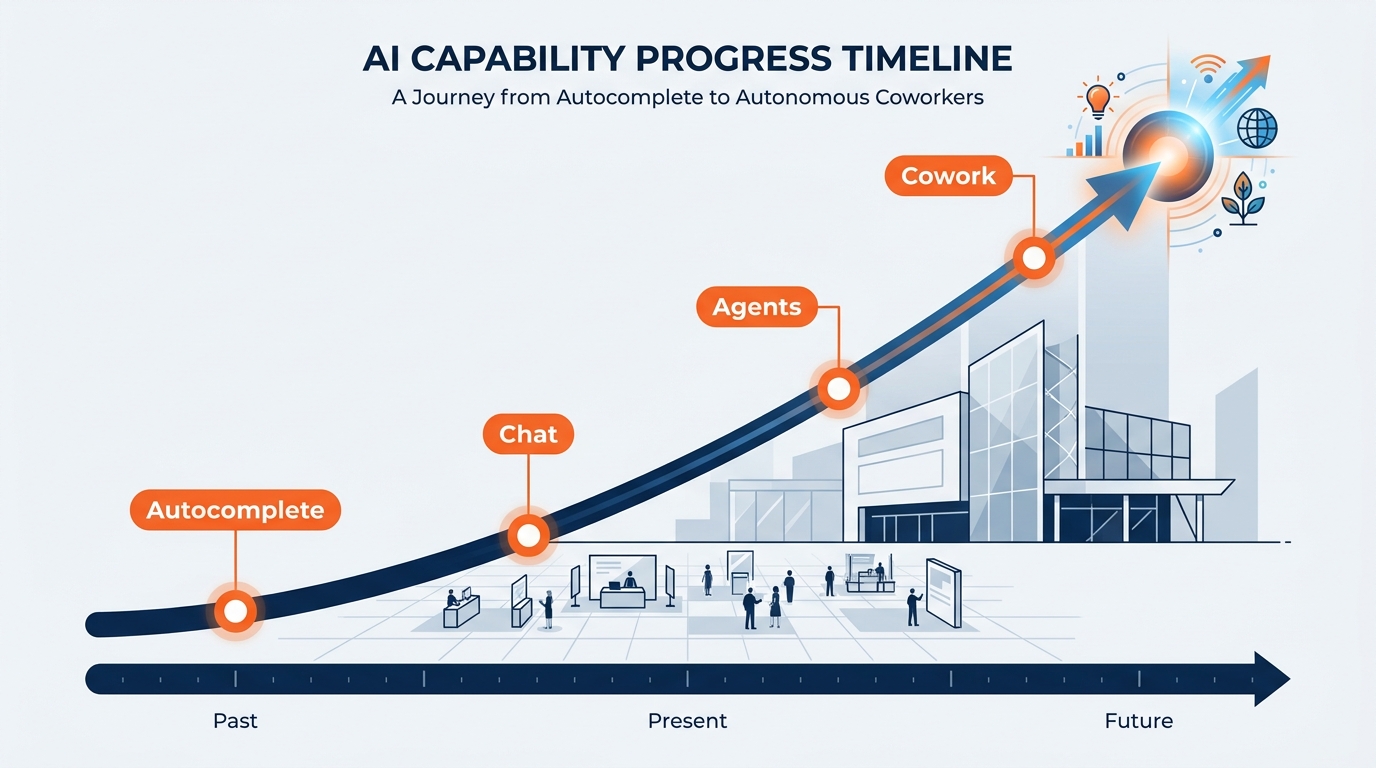
Figure 2:Four years. Four transformations. The pace is not slowing — it is accelerating.
2022: AI models couldn’t reliably multiply 7 × 8. Researchers were careful to note they were “stochastic parrots” — statistically sophisticated, but not reasoning.
2023: GPT-4 passes the bar exam — not at the bottom of the curve, but in the 90th percentile. The same year, it passes the US Medical Licensing Exam. The AI world collectively sits up straighter.
2024: AI begins tackling graduate-level scientific reasoning. Models start winning silver medals at the International Mathematical Olympiad — problems that defeat virtually all human competitors. In the same year, on December 31, 2024, GES completes its separation from Viad Corp and becomes an independent company under Truelink Capital for the first time in 55 years.
2025: Software engineers at major technology companies begin handing over significant portions of their codebases to AI agents. Not assistance. Handover. Some organizations report that AI is writing the majority of new production code.
June 16, 2026: Microsoft Copilot Cowork goes generally available — running on Anthropic models — and the nature of the tool changes. Copilot stops being something that helps you write and starts being something you assign work to. More on this in Section 4, because it is the single biggest reason this chapter exists.
Meanwhile, AI capabilities are doubling roughly every six months. Not improving — doubling. And 75% of employees globally, in a recent Randstad survey, said they fear their skills will be obsolete within three to five years.
Read that again. Three to five years.
Here is what this means for GES specifically. In 2024, this company got its independence back. For 55 years GES was a segment inside Viad Corp — a good business inside somebody else’s portfolio, with somebody else’s capital allocation priorities and somebody else’s timeline for saying yes. Since December 31, 2024, GES controls its own roadmap for the first time since 1969. That is an extraordinary thing to be handed, and it comes with a bill: when you own the roadmap, you own the pace. Nobody upstream is going to modernize this company for us.
You are not adopting a tool. You are entering a new era of professional life at the exact moment your company got the freedom to define what that looks like. The question is not whether this era is coming. It is already on the floor. The question is: who are you going to be in it?
1.22. The Gap Is Real. The Opportunity Is Now.
Before we go any further into mindset, let’s ground ourselves in the business reality. Because this is not an abstract philosophical conversation about the future of humanity. This is about GES’s competitive position and your career trajectory — and both of them are at stake.
The data from the leading research institutions is unambiguous:
Companies that lead in AI adoption generate 1.7× more revenue growth than those that delay (Boston Consulting Group, 2025). Not 1.07×. Not a rounding error. 1.7×.
Despite all the attention AI has received, only 5% of companies globally qualify as “future-built” for AI. Meanwhile, 60% report minimal or no measurable value from their AI investments (BCG, 2025).
Of the companies that are seeing results, 55% achieved them by redesigning their workflows — not just bolting AI onto existing processes (McKinsey, 2025).
15% of workers over 45 currently use AI tools in their work. But 50% want training. They’re not resistant. They’re waiting for permission and support (WorkLife/Randstad, 2025).
That last point deserves a moment.
Half of the workforce is asking to learn. They are not holding back because they don’t care. They are holding back because no one has opened the door, handed them a map, and said: “This is real, this is relevant to your work, and here is how you start.”
That is exactly what this program is doing.
And here is the part that should land hardest: GES is already doing this. In 2026, onPeak launched the AI Smart Suite — AI-powered hotel search, an AI contract reader that parses hotel agreements, and AI email categorization that routes the flood of housing correspondence to the right human. That is not a pilot in a lab. That is a GES Collective brand shipping AI into a live revenue product, under Lisa Baez’s Tech-Enabled Services organization, with Tayler Gilmartin’s product team building it.
Meanwhile Visit by GES shipped next-generation NFC Touchpoints in June 2026. Spiro is building brand environments on data-informed design. GES EMEA published a data-led emissions reporting program that would have been unthinkable to do by hand.
So let’s be clear about where we actually are: GES is not deciding whether to do AI. GES is deciding how many of its 2,600+ people get to participate in it.
That distinction is the entire opportunity. A company can buy an AI product. A company cannot buy 2,600 people who think differently about their work. Consider the arithmetic. If every full-time person at GES recovered three hours a week — one exhibitor kit revision they didn’t have to retype, one post-show reconciliation they didn’t have to assemble by hand, one set of I&D notes they didn’t have to write up at 11 PM in a hotel room in Orlando — that is on the order of hundreds of thousands of hours per year returned to the business. Not to a spreadsheet. To the show floor. To the exhibitor who needs an answer. To the design that could be better.
And here is the hard truth: the gap between AI leaders and AI laggards is not, at its core, a technology gap. It is a measurement gap (we don’t track the right things), a culture gap (we don’t make it safe to experiment and fail), and above all, a permission gap (people are waiting for someone to tell them it’s okay to start).
Consider this permission granted.
1.33. Before You Drive the Ferrari — Fasten Your Seatbelt First
We are about to talk about transformation, growth, and possibility. And we will get there. But first — because this is a book for people who move other people’s brands, freight, and reputations across 75+ countries — we need to have the most important conversation in any responsible AI adoption program.
The safety briefing.
You already know how to do this. Nobody at GES walks onto a move-in floor without a safety briefing. You don’t run a forklift in a marshaling yard because you feel confident. You don’t hang a truss because the drawing looked fine on a phone screen. Safety is a stated operational value at this company, and a low global reportable incident rate is a KPI leadership actually watches. The discipline you already carry onto the show floor is the exact discipline you now carry into Copilot.
This is not the small print. This is not the section you skip. AI safety at GES is not a compliance checkbox — it is the foundation on which all of this rests. The reputational exposure is real: a hallucinated drayage rate in an exhibitor quote, a fabricated union jurisdiction rule in a service kit, an attendee list pasted into the wrong tool. Those are not embarrassing. Those are contract-level, GDPR-level, relationship-level problems.
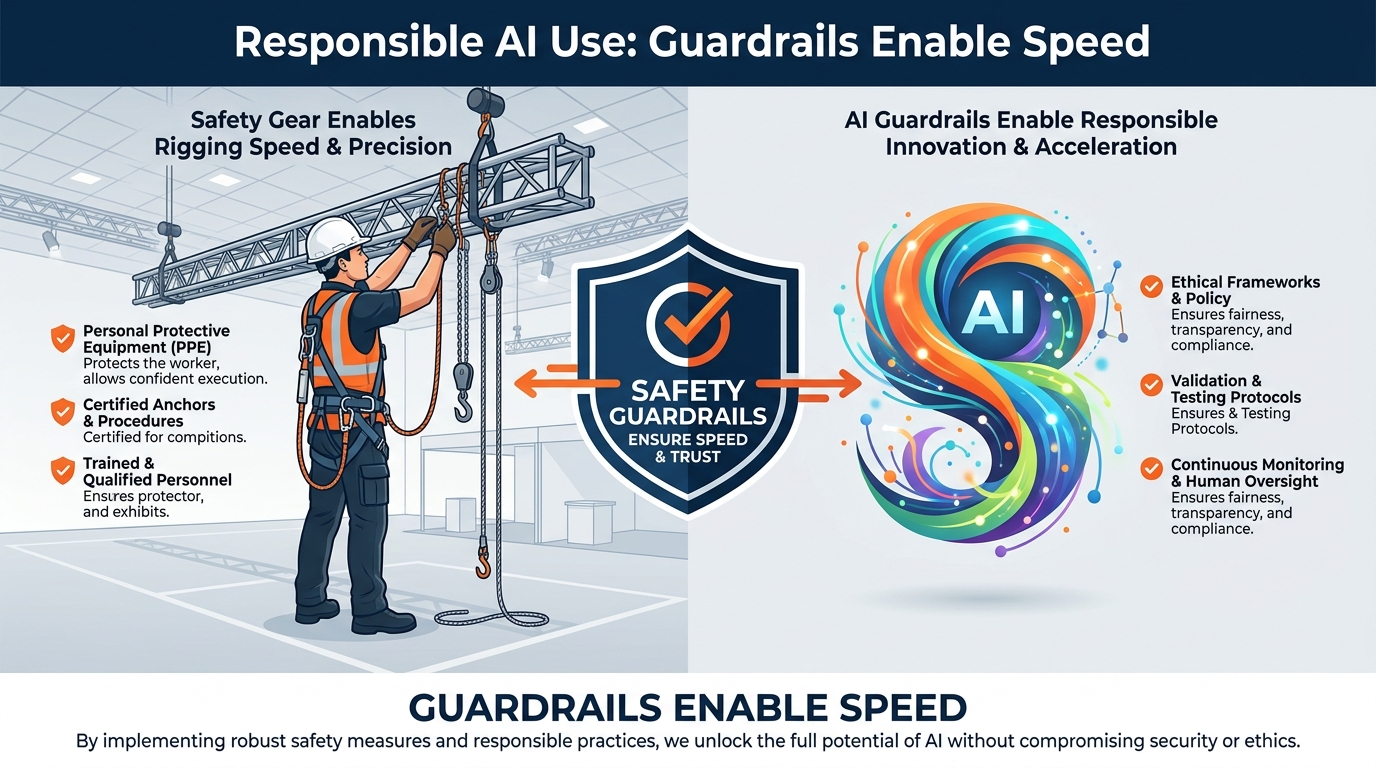
Figure 3:The Ferrari can go 200 mph. The seatbelt is not optional.
Here are the non-negotiables — the standing rules for every GES professional using AI:
These rules are not here to slow you down. They are here to keep the program alive — and to keep GES’s reputation intact. That reputation was earned over 86 years, starting from a small sign and exhibit shop in Kansas City in 1939, and it is renewed every single time a crew hits a move-in deadline that looked impossible on Monday. This program asks you to bring that same seriousness to your AI practice.
Now let’s talk about what’s possible.
1.44. Copilot Cowork — The Shift from Doing Work to Managing Work
Here is the section that makes this chapter different from every mindset chapter written before June 2026.
On June 16, 2026, Microsoft Copilot Cowork became generally available, running on Anthropic models. Read the capability description slowly, because the wording matters:
Cowork executes complex, long-running, multi-tool tasks end-to-end across Microsoft 365 — and returns completed results, not drafts.
Everything before Cowork was assistance. You typed, the AI helped you type better. You had a document, the AI helped you summarize it. The unit of work was a turn — you ask, it answers, you take it from there.
Cowork changes the unit of work from a turn to a job.
You can hand it something like: “Pull the labor actuals and the freight manifests for the last four shows we ran for this organizer, compare them against the forecast in the show budget workbook, find every line where actuals exceeded forecast by more than 10%, build a summary deck for the QBR, and put a draft email to the account lead in my drafts folder.” That is a multi-hour task involving Excel, SharePoint, PowerPoint, and Outlook. Cowork goes and does it. Across tools. Over time. And comes back with the thing finished.
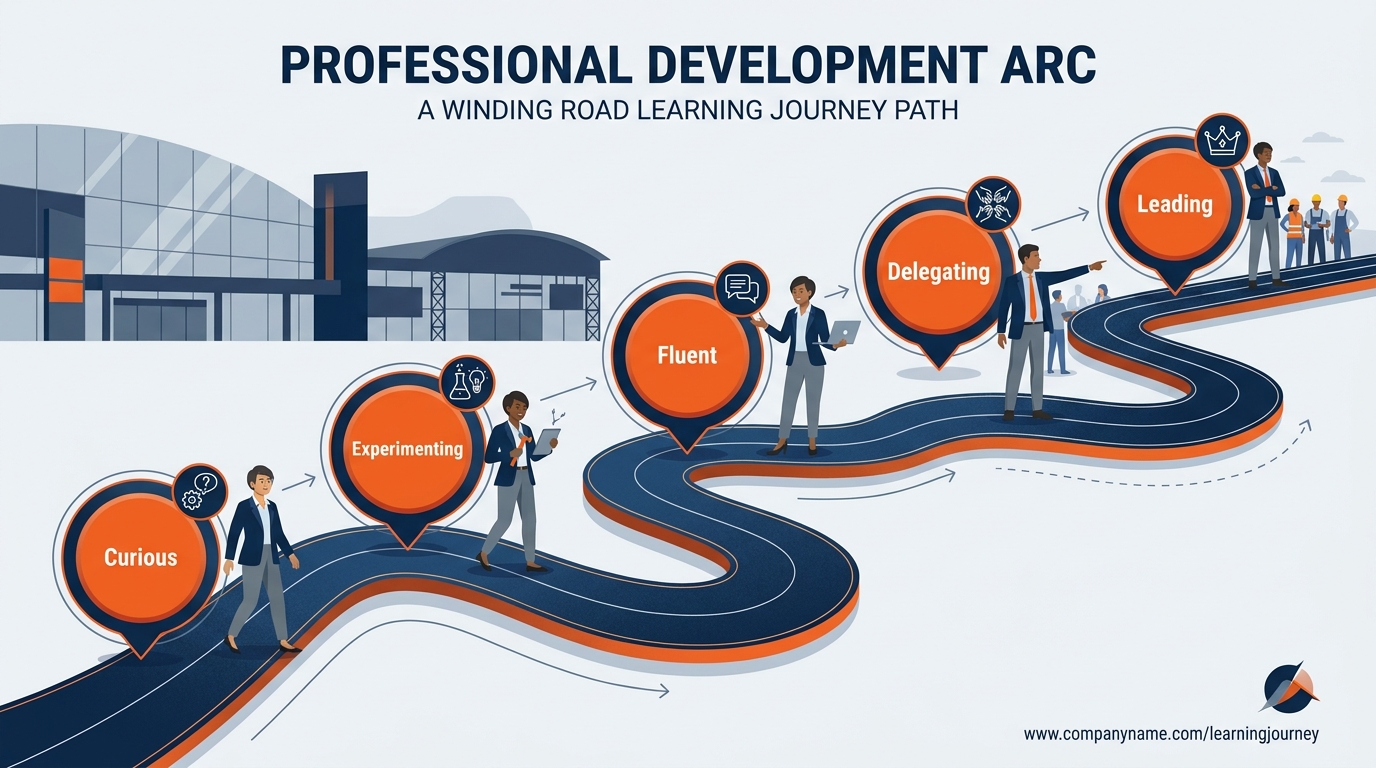
Figure 4:The cognitive journey of AI adoption moves through five stages — from initial awareness through experimentation to confident integration. Cowork adds a sixth: delegation.
1.4.1Why this is a mindset problem, not a feature
Because the moment AI can complete a job rather than assist with a task, your role changes from doer to delegator. And most professionals have never been trained to delegate.
Think about the last time you brought a new coordinator onto a show team. You didn’t hand them the whole account on day one. You gave them a scoped piece of work with a clear deliverable, a deadline, and the context they’d need. You checked in. You reviewed what came back. You corrected what was off, you kept what was good, and you gave them a bigger piece next time.
That is exactly the skill Cowork requires. Not prompting. Delegating.
Table 2:Task-Doer Mindset vs. Delegator Mindset
Task-Doer Mindset | Delegator / Orchestrator Mindset |
|---|---|
“How do I do this faster?” | “Who — or what — should be doing this at all?” |
“I’ll just do it myself, it’s quicker than explaining.” | “If I explain it once properly, I never have to do it again.” |
Measures a good day by tasks completed | Measures a good day by outcomes delivered and judgment applied |
Reviews own work at the end | Reviews delegated work as the primary activity |
Context lives in their head | Context is written down, because delegation requires it |
Value = throughput | Value = scoping, direction, quality control, and the call at the end |
Look at the fifth row, because it is the sneaky one. Delegation forces you to externalize context. The floor manager who “just knows” how this venue handles freight targets cannot delegate to Cowork — or to a human — until that knowledge is written down. Which means the act of learning to work with AI is also the act of making GES’s institutional knowledge portable across 24 facilities and 75+ countries. That is not a side effect. That may be the most valuable thing this program produces.
1.4.2The uncomfortable part
If your professional identity is built on being the person who does the thing, Cowork is threatening. If your professional identity is built on being the person who makes sure the right thing happens, Cowork is the best news of your career.
Same tool. Two completely different experiences. And which one you have is determined before you ever open it — which is precisely why we are spending a chapter on mindset instead of clicking straight into menus.
1.4.3And a word to the people who aren’t at a desk
Let’s be honest about something this book cannot paper over.
A meaningful share of GES people do not sit at a desk. Show ops leads, floor managers, labor coordinators, freight and warehouse teams, I&D crews, on-site production — you work on your feet, in a hall, on a radio, on a phone, with a hard hat on and 40,000 square feet of unfinished floor around you. When someone shows you an AI demo of a beautiful PowerPoint being generated in twelve seconds, the honest reaction is: “Great. I’m in a marshaling yard at 5:40 in the morning. What does that do for me?”
That skepticism is legitimate and we are not going to talk you out of it with enthusiasm. Here is the straight answer instead.
First: some of the value is genuinely not for you, and that’s fine. Not every tool is for every role. Nobody expects the graphics production team to use the freight tracking system.
Second: more of it is for you than the demos suggest. The parts of your job that are actually toil are mostly language and paperwork wrapped around physical work — and that is exactly what these tools eat:
Dictating messy voice notes from a site survey walkthrough and getting a clean, structured punch list back.
Turning three days of scrawled I&D notes into a proper move-out report you don’t have to write at midnight.
Asking, in plain language, “what did we agree with this venue about forklift access hours?” and getting the answer pulled out of a 90-page show operations manual instead of scrolling for twenty minutes.
Getting a labor variance summary that would have taken an hour of spreadsheet work before you can even get back to the office.
Translating a safety brief or a crew instruction for a multilingual team on the floor in Dubai or Paris.
Third: the deal is honest. Nobody is claiming AI is going to set steel, pull cable, or spot a rigging problem. It isn’t. What it can do is take the 90 minutes of typing that sits on either end of your actual work, so that the hours you spend on the floor are spent on the floor. That is Understanding in practice: the machine takes the toil so the human gets the attention back.
If it doesn’t help your role, say so plainly and we will build something that does. What we ask is that the verdict comes after you’ve tried it on one real task — not before.
1.55. The Adaptation Problem — Why Capable People Get Stuck
Here is something that should give you enormous relief: the resistance you feel toward AI is not a sign of weakness. It is not stupidity. It is not being “old school.” It is a deeply human response to a genuinely difficult kind of change.
And it operates in layers.
Capable people get stuck because the obstacles are not primarily technical. They are psychological. And because most organizations treat AI adoption as a technology project rather than a human change management project, they address the wrong layer and wonder why adoption stalls.
Let’s name the layers.
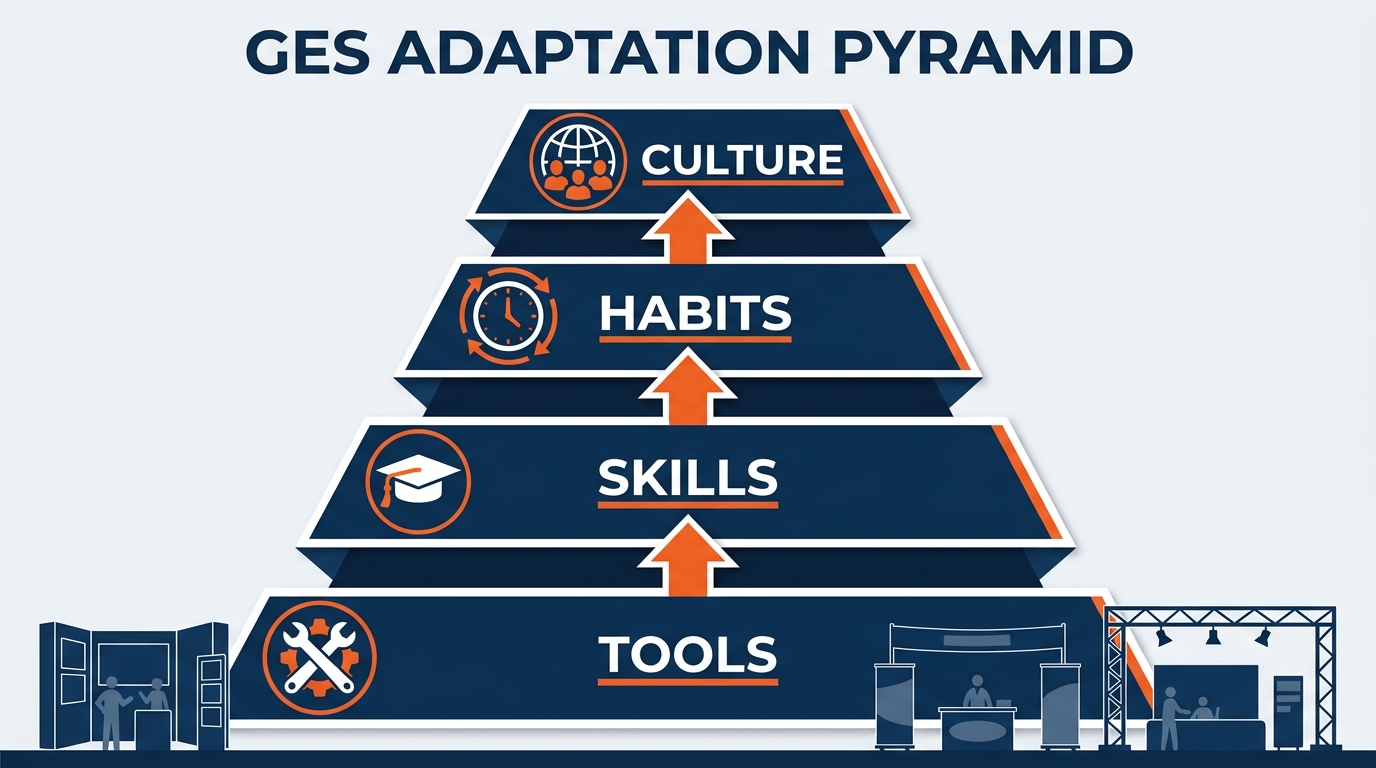
Figure 5:The three layers of AI adoption resistance. Most organizations address only the outer layer. The real work is in the middle and the center.
1.5.1The AI Layer — The Surface Objections
This is the layer that organizations address most readily. It’s the layer that produces statements like:
“I don’t have time to learn this — I’ve got three shows overlapping.”
“I don’t know what’s possible.”
“I don’t know where to start.”
“I tried it and got AI slop — generic, useless output that sounded like a brochure.”
These are real objections. And they have real answers — most of which you will find in this book. The “don’t know where to start” problem is solved by Chapter 1 and the chapters that follow. The “I tried it and got bad output” problem is solved by context engineering and prompting technique. The “don’t have time” problem is solved by mathematics: once you can produce a post-show recap in 15 minutes that used to take two hours, the time argument inverts.
But solving the AI layer is not enough. Because most of the resistance is not at the surface.
1.5.2The Learning Layer — The Middle Resistance
Below the AI objections is a harder set of feelings:
“I’ve lost my curiosity somewhere along the way.”
“I hate being a beginner. I’ve been good at this for 15 years and I don’t want to feel incompetent again.”
“Unlearning old habits is painful. I have grooves worn in how I do things, and changing them requires more energy than I have during show season.”
This is real. And it is worth honoring. If you have spent a decade learning how a venue’s freight targets actually work versus how the manual says they work, or how to phase an install so the aisle carpet goes down at the right moment, or how to price a custom build so it holds margin when the client inevitably changes the graphics twice — and suddenly a tool appears that can produce in 30 seconds a rough version of something your hard-won skill used to take two hours to build — there is a grief in that. A loss. Even if the net effect is entirely positive.
The psychological research on this is clear: humans experience the loss of a professional identity marker with the same emotional weight as a personal loss. Your expertise is not just what you do — it is, in many ways, who you are. And any tool that disrupts that expertise does not feel, emotionally, like a gift. It feels like a threat.
Which brings us to the layer that almost no AI training program ever addresses.
1.5.3The Identity Layer — The Deepest Resistance
Deep beneath the surface objections and the learning discomfort is the most powerful block of all:
“I am what I do. If AI can do what I do, what am I?”
This is the question that keeps people from experimenting. It is the question that makes capable professionals quietly resistant to tools they intellectually know are beneficial. It shows up as cynicism in team meetings, as minimal compliance with “mandatory” AI training, and as a subtle unwillingness to commit to the new way of working even after they’ve been trained.
And it deserves a direct, honest answer.
You are not your tasks. You are your judgment. You are your relationships. You are your institutional knowledge, your venue knowledge, your cultural context, your ability to read a floor and know that this install is going to run late three hours before anyone else can see it. You are the person the organizer calls at 6 AM because they know you’ll pick up. You are the one who looks at a design and says “that will look beautiful and it will never clear the dock doors.”
AI cannot replace any of that. It can only amplify it.
But here is the crucial shift: to unlock that amplification, you have to let go of the tasks. Not the judgment. The tasks. The drafting, the formatting, the summarizing, the retyping, the reconciling, the status-updating — the labor that used to be what “being good at your job” looked like. That work is going to AI. What remains — and what gets amplified — is everything that made you good at your job in the first place, before the tasks.
The identity shift is not: “I used to be a show ops manager and now I’m an AI user.”
The identity shift is: “I used to be a show ops manager who spent 40% of my time on paperwork. Now I am a show ops manager who spends that time on the floor, on the crew, and on the client.”
That is a promotion. Not a demotion.
1.66. It’s Not a Productivity Crisis. It’s a Purpose Crisis.
Let’s look at the numbers that nobody talks about in AI adoption conversations — because they reveal what is really going on.
Only 18% of employees globally feel their job aligns with a sense of purpose (Gallup, 2025).
89% of workers fear AI will make them obsolete (Resume Now, 2025).
77% of employees say that learning new skills gives them a genuine sense of purpose (TalentLMS, 2024).
Engagement is 5.6× higher when work connects to a sense of purpose (Gallup, 2025).
Trust in employer is 144% higher when workers receive hands-on AI training — not just communication or policy — but actual, guided practice (HBR/Deloitte, 2025).
Read that last number carefully. One hundred and forty-four percent higher trust — just from receiving hands-on training. Not a slide deck about AI strategy. Not an all-hands email about the future. Hands-on training. Practice. Someone sitting beside you and showing you how.
This is why this master class exists.
But the deeper insight in these numbers is not about AI at all. The deeper insight is this: the crisis that most organizations mislabel as an “AI adoption problem” is actually a purpose crisis.
People who feel their work is meaningful throw themselves at new tools. People who feel their work is soul-crushing wheel-spinning use AI adoption as another item on the list of things management is making them do.
The solution to a purpose crisis is not a better training platform. It is a reframe of what the work is — and what the professional is — in the context of AI.
The reframe is this: upskilling is not the cost of AI adoption. It is the point.
The organizations that get this right — the ones where AI adoption actually takes hold and generates the 1.7× revenue multiplier — are the ones where leaders connect AI learning to professional growth, not to headcount efficiency. They say: “We are doing this because we want you to become more powerful in your role. Because we believe your judgment is valuable and AI is what lets that judgment do more.”
And honestly, GES has an unfair advantage here that most companies would kill for: the purpose is already visible. You are not moving abstractions. You are the reason a 60,000-square-foot hall that was concrete and dust on Sunday is a functioning marketplace on Tuesday morning. You are the reason a first-time exhibitor’s stand looks like it belongs next to a global brand. You are the reason an organizer’s biggest revenue week of the year doesn’t collapse. That is not a mission statement — that’s Tuesday.
The care that produces that outcome is the raw material. AI is the amplifier.
The question is whether you can feel that. Whether this is happening to you, or for you.
Which brings us to the most important single question in this entire chapter.
1.77. The Cognitive Journey — Six Reframes That Change Everything
Before we get to that question, let us arm you with the specific reframes that the professionals who successfully navigate the AI transition make — often implicitly, sometimes consciously.
These are not affirmations. They are structural shifts in how you position yourself relative to the change:
Table 3:The Six Reframes — From Resistance to Orchestration
The Old Frame | The New Frame |
|---|---|
“The company needs to change.” | “I need to change first. I model, then I lead.” |
“I’ll delegate this to someone on my team.” | “I’ll model this myself. My team needs to see me do it.” |
“Someday, after show season settles down.” | “Monday. It starts Monday.” |
“I’ve read a lot about this.” | “I’ve done this. Here’s what I learned from doing it.” |
“AI is impressive / scary.” | “AI is a tool I can direct. Let me try it on something small and real.” |
“My people need training.” | “My people need permission. And practice. I can give both.” |
The most important reframe in that table is the second one: “I’ll model this myself.”
In every successful AI adoption case study, the pattern is the same. Change does not cascade downward from a policy memo. It radiates outward from a person. Usually a manager, or a senior individual contributor, or a respected team member, who started using the tool publicly, talked about what they were learning, shared their mistakes as openly as their wins, and by doing so made it safe for everyone around them to try.
If you lead a team at GES — a show ops crew, a design pod, an account group, a warehouse shift, a product squad at onPeak or Visit — this section is specifically for you: the most powerful thing you can do for your team’s AI adoption is not to mandate training. It is to show up at the next production meeting and say, “I tried something in Copilot this week. Here’s what worked. Here’s what didn’t. Here’s what I’m going to try next.”
That is how cultures change. And it is Trust in practice — being honest about what the machine did and what it got wrong, in front of your team, before anyone asks.
1.88. Is This Happening To Me, or For Me?
Here it is. The single most important question you can ask yourself this year.
Not “Should I use AI?” — that question is already answered. Yes. Not “Am I good enough to learn this?” — that question is irrelevant. Everyone is a beginner. Not “What if I fail?” — failure here is just a prompt that didn’t work, and you try again.
The question is: Is this happening to me, or for me?
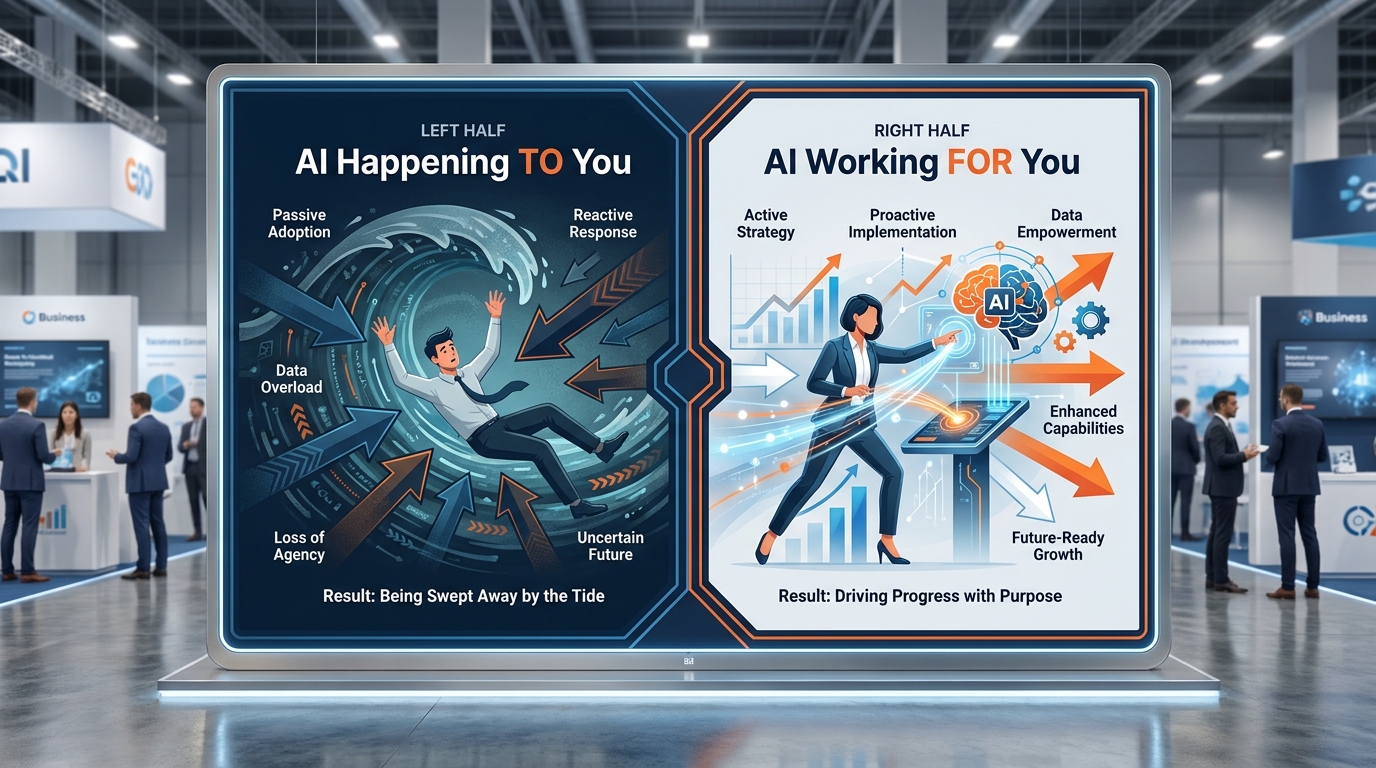
Figure 6:Same technology. Same company. Two completely different experiences — determined entirely by the frame.
This question matters because the answer determines your posture — and your posture determines everything else. It determines whether you approach Copilot with curiosity or resignation. It determines whether you experiment or comply. It determines whether you build the Showcase project later in this book with genuine investment or performative minimum effort.
The people who answer “for me” are not naive. They are not blind to the risks or the disruptions. They see the same uncertainty that everyone sees. But they have made a deliberate choice to approach the moment as an opportunity to grow, to add value in new ways, to become more capable in their work than they were before AI existed.
There is a company-level version of this same question, and GES answered it on December 31, 2024. Independence after 55 years inside Viad could have been experienced as something happening to this business — new owners, new expectations, new scrutiny. Instead it is being run as something happening for it: new investment, a new Paris office and warehouse, new product lines like Show Ready – The Edit, an AI Smart Suite shipping at onPeak, next-gen Touchpoints at Visit. Same event. Two possible frames. The company picked one.
That choice is entirely available to you. Right now. In the next ten seconds.
Make it.
1.99. Fixed Mindset vs. Growth Mindset — The Carol Dweck Foundation, Updated for AI
You may have encountered Carol Dweck’s work on mindset before. It has become one of the most replicated and applied frameworks in educational psychology. But most presentations of it miss the dimension that is most relevant to the AI era. Let’s go to the original and then extend it forward.
Dweck’s core insight, derived from decades of research at Stanford, is this: your belief about the nature of your own abilities determines the quality of your engagement with challenge.
People with a fixed mindset believe their abilities are essentially innate — that intelligence and talent are things you either have or you don’t, and that difficulty is evidence of being at the limit of those fixed abilities. When they fail, the conclusion is: “I’m not cut out for this.”
People with a growth mindset believe their abilities are malleable — that intelligence and competence develop through effort, experimentation, and learning from failure. When they fail, the conclusion is: “I haven’t learned this yet. Let me try differently.”
The word “yet” is everything.
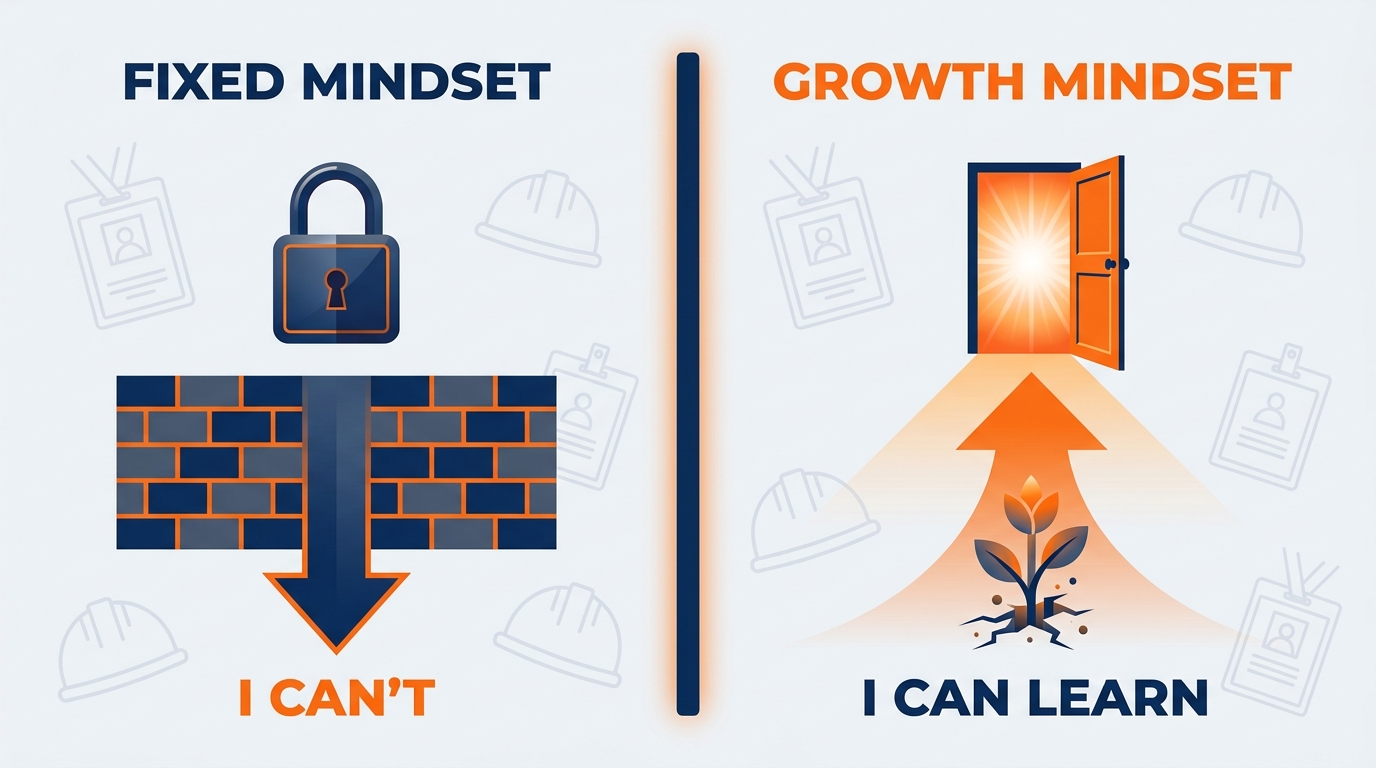
Figure 7:Same challenge. Same moment. Two completely different internal conversations — and two completely different outcomes.
Table 4:Fixed vs. Growth Mindset — The AI Era Edition
Fixed Mindset | Growth Mindset |
|---|---|
“Failure is the limit of my abilities.” | “Failure is data. I try again with better information.” |
“I stick to what I know. That’s where I’m safe.” | “My effort and willingness to experiment determine my outcomes.” |
“Feedback is personal. It means I’m not good enough.” | “Feedback is fuel. I am curious about what I can learn from it.” |
“AI is something that happens to people like me.” | “AI is a skill. Skills are learnable. I learn skills.” |
“I tried it and didn’t get good results. So it doesn’t work for me.” | “I tried it and didn’t get good results. What should I try differently?” |
“My value is in what I know.” | “My value is in my judgment. I can always know more by knowing how to ask.” |
Dweck’s research showed that mindset can change. It is not fixed. The act of understanding the fixed/growth distinction — of naming the fixed voice when you hear it inside your own head — is itself a growth intervention.
But the AI era adds a new dimension to Dweck’s work that she did not anticipate when she was studying students with math problems in the 1980s. The AI era teaches us not only that our abilities are not fixed, but that our role is not fixed either.
The estimator who believed their value was in the ability to hand-build a complex labor and material handling model in Excel — that role, in that exact form, is not permanent. But the judgment about which venue always runs long on move-out, which organizer changes the floor plan late, which exhibitor will call three times on Sunday — that is permanent. In fact, it becomes more valuable as AI handles the mechanical parts.
The fixed mindset says: “If my role changes, I lose.”
The growth mindset says: “If my role evolves, I adapt. And my judgment — the thing that was always the real value — gets amplified.”
That is Excellence in practice. AI raises the floor; humans raise the ceiling. A well-prompted model will get anyone at GES to a competent first draft of almost anything. It will never get anyone to extraordinary. Extraordinary is a human decision, made by someone with taste, standing in a hall, deciding that good enough isn’t.
1.1010. The New Value Equation
Let’s make this precise. Because the shift from fixed-role to adaptive-role has a mathematical expression, and seeing the math changes how you feel about the transition.
The old value equation:
In this model, the most productive person is the one who works hardest and has the most technical skill. Value grows linearly with input. More hours, more expertise, more value. This is the model that governed professional excellence for most of the 20th century and the early 21st century. It is also, let’s be honest, the model that produces show-season burnout.
The new value equation:
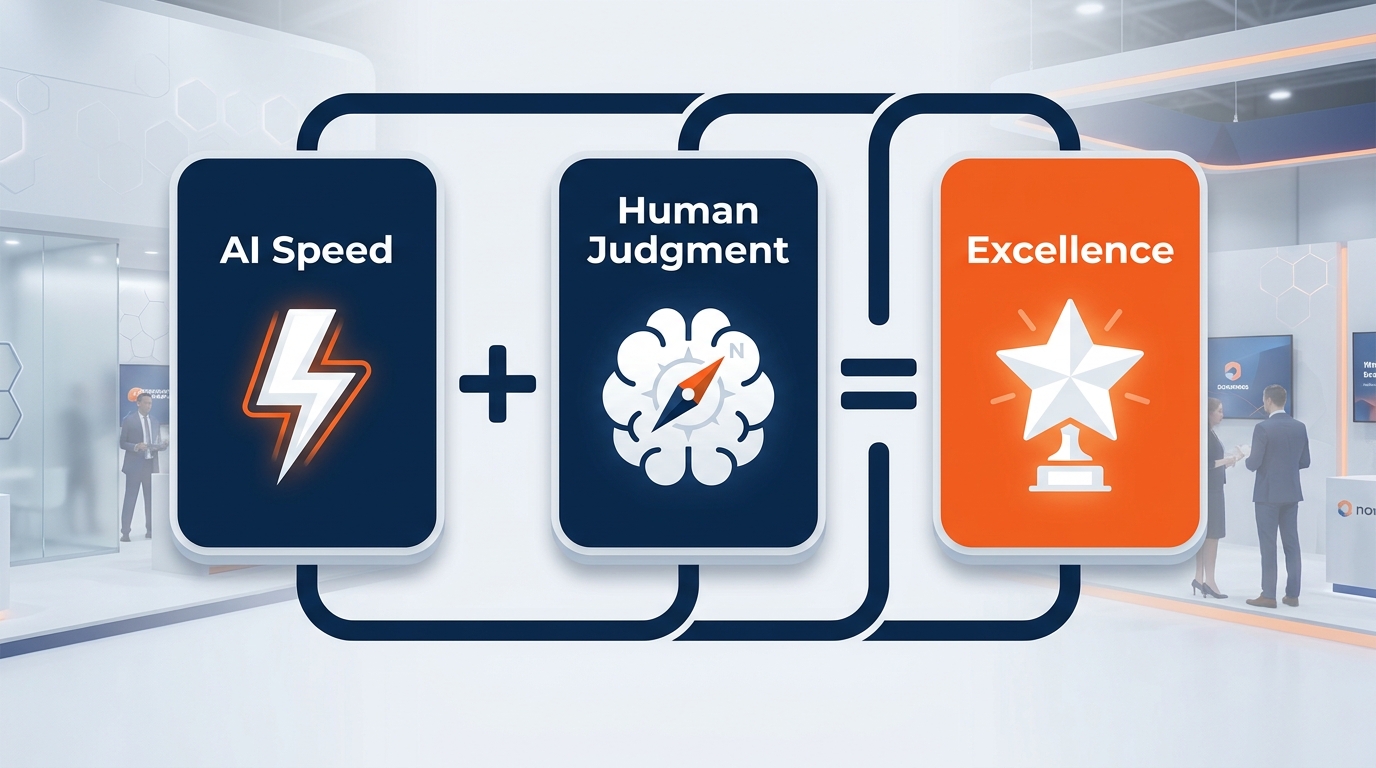
Figure 8:Linear vs. exponential. The gap between those who operate under the old equation and those who operate under the new one grows wider every quarter.
Notice the exponent. This is not an accident. The collaboration between human judgment and AI capability is not additive — it is multiplicative. And then it compounds.
Here is what this means in practice.
An account lead who uses AI to research an organizer’s industry and last three shows before a renewal meeting, synthesize two years of post-show reconciliation into a variance story, draft the agenda, and generate five customized talking points — and then applies their own judgment to decide which two of those five will actually land given what they know about this particular organizer’s board politics — is not doing the same job with a faster laptop. They are operating at a qualitatively different level. The client experience is better. The preparation is deeper. The recommendations are sharper.
And the gap between that account lead and one who prepares the same old way — the manual research, the generic deck, the talking points from memory on the flight — does not close over time. It widens. Every quarter. Every year. Because the AI-augmented lead is also learning, iterating, improving their prompts, building better agents, compounding their advantage.
Now multiply that across the GES Collective. GES Exhibitions running GSC operations at scale. Spiro designing bespoke brand environments as an EAC. onPeak managing housing blocks. SHOWTECH delivering power and lighting. Visit by GES shipping registration, lead capture, and NFC Touchpoints. Five brands, one collective, 24 production and warehouse facilities, 4,000+ events a year. Every one of those is a place where the exponent applies.
This is the shift from linear to exponential. And it is the entire game.
The professionals who understand this are not threatened by AI. They are energized by it. Because they see that the exponent in this equation is powered by them — by their judgment, their relationships, their venue knowledge, their domain expertise. AI doesn’t diminish those things. It plugs them into an exponential engine.
1.1111. The Five Fatal Blocks — Excuses That Kill Careers
We need to be direct now. Because while everything in this chapter has been accurate and grounded, there are five specific statements that function as career-limiting beliefs when held too tightly. You have almost certainly heard them in your organization — and perhaps felt some of them yourself.
Let’s name each one, and address it with the same rigor you’d apply to a bid that arrived with a suspiciously low material handling estimate.
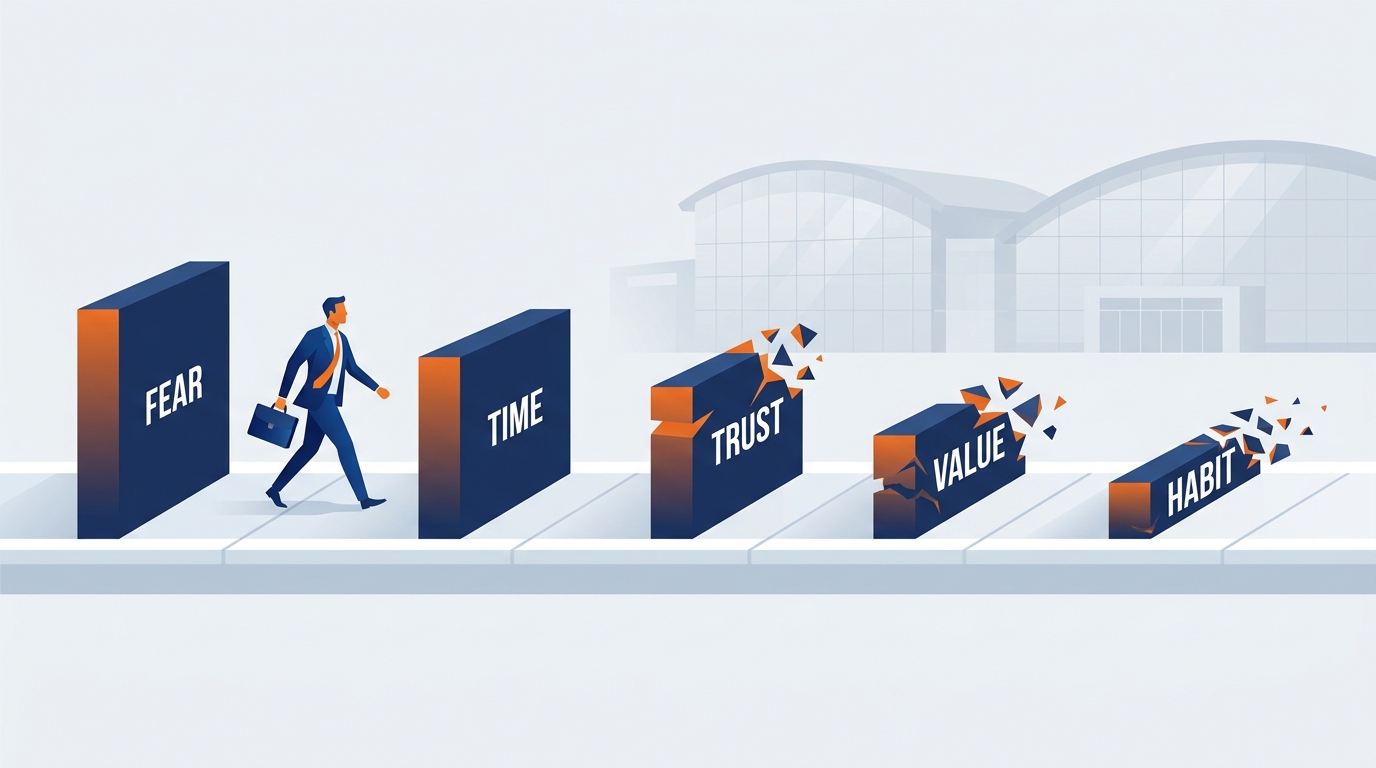
Figure 9:Every one of these blocks has a research-backed key. The lock is only as strong as your belief in the narrative.
Block 1: “I don’t have time.”
The reality: According to PwC, professionals who consistently apply AI to their daily workflows report recapturing an average of 47% of previously consumed task time — not someday, not in theory, but within weeks of adoption. The investment to get there is approximately 15 minutes per day — 1% of your working day — for the first 30 days.
The math: 15 minutes invested × 30 days = 7.5 hours invested. Return: potentially hundreds of hours recovered annually. Nobody in finance at GES would reject a 47:1 return because the upfront cost was inconvenient.
And yes — show season is real. Nobody is asking you to learn a new tool during move-in week at a 4,000-exhibitor show. The 15 minutes matters. Start there, in the gap between shows. Not with a three-day training summit. Fifteen minutes, tomorrow morning, before the first call.
Block 2: “AI will replace me.”
The reality: This is the most emotionally loaded block and the most thoroughly researched. An MIT study in 2024 found that AI + human collaboration outperforms AI alone by 23% — not in one scenario, but consistently across complex tasks. A separate McKinsey analysis found the same pattern: the highest-performing AI deployments are not the ones with the most automation, but the ones with the best human-AI collaboration design.
And in this industry specifically, the argument has an unusually hard floor: the show is physical. Nothing has to be installed, rigged, forklifted, carpeted, powered, or dismantled inside a model. Someone has to be in the hall. Someone has to make the call when the truck is late and the aisle has to open at 9 AM regardless.
The future is not “AI instead of people.” It is “AI-augmented people outperforming non-augmented people.” The competitive threat is not from AI. It is from other humans — and other contractors — who adopt AI before we do.
Be the human in the loop. The loop still needs a human. Be that human.
Block 3: “It’s too technical for me.”
The reality: Modern Microsoft 365 Copilot requires zero coding knowledge, zero data science background, and zero technical certification. If you can write a coherent email to an exhibitor explaining why their freight missed the advance warehouse deadline, you can write a Copilot prompt. The interface is a text box. And increasingly it is a microphone — you can talk to it, which matters when you’re walking a floor.
The evidence: The fastest AI adopters in most organizations are not the technical staff. They are the professionals whose core job is language and judgment — coordinators, account managers, designers, planners, salespeople. The “technical” barrier to modern AI tools effectively no longer exists. The barrier is habit, not aptitude.
Block 4: “My industry is different.”
The reality: Accenture’s 2025 analysis found that 87% of industries show measurable productivity gains from AI adoption, across sample sizes large enough to be statistically meaningful.
And the specific version of this objection — “events are too physical, too last-minute, too relationship-driven” — actually argues the opposite of what people think it argues. The events business generates an enormous volume of document-shaped work wrapped around the physical work: exhibitor service kits, show operations manuals, floor plan revisions, labor forecasts, freight manifests, carnet and customs paperwork, safety briefings, RFP responses to organizers, post-show reconciliations, QBR decks, sustainability and emissions reporting. That is precisely the category of work AI is best at. The physicality of the show floor doesn’t exempt us — it means the paperwork burden around it is higher, not lower.
Our industry is not exempt from the AI era. It is unusually well-suited to it.
Block 5: “Quality will suffer.”
The reality: Stanford research on AI-assisted knowledge work found that, when used correctly, AI-assisted work shows fewer errors than purely manual work — because AI doesn’t get tired at 4 PM on day three of move-in, doesn’t rush when a deadline is compressing, and doesn’t skip a line on a checklist because someone walked up with a radio question.
The critical phrase is “when used correctly.” That means using AI for first drafts and synthesis, then applying human judgment and verification for everything that goes out the door. The verification discipline from the Safety Briefing above is not just a risk measure — it is also what makes AI-assisted work better, not worse, than unassisted work.
1.1212. The Two Questions That Reorganize Your Career
We have arrived at the practical heart of this chapter. Because all of the frameworks above — the growth mindset, the value equation, the five blocks, the delegator shift — exist to get you to a point where you can answer two questions honestly.
Not aspirationally. Not with what you think you should say. Honestly.
The gap between your two lists is your personal AI roadmap.
The tasks in Question One are where you invest in building AI habits — because that is work AI should be doing, and every hour you spend on it manually is an hour you are not spending on Question Two.
The capabilities in Question Two are what you protect, deepen, and double down on — because that is where your compounding advantage lives. AI will get better at Question One tasks every six months. Your Question Two capabilities get better every year you spend developing them with greater bandwidth, freed by AI handling Question One.
This is your strategy. Not the company’s AI strategy — your personal professional strategy. And it starts with two honest lists.
1.1313. Productive Friction — AI as a Learning Partner, Not a Crutch
Here is where we introduce a concept that is central to how you should use AI at GES.
The concept is productive friction.
There is a line — thin but critical — that separates the professionals who become more capable through AI use from those who become less capable. Both groups use the same tools. Both groups get outputs. But only one group grows.
Table 5:Unproductive AI Use vs. Productive Friction
Unproductive AI Use | Productive Friction |
|---|---|
Outsourcing thinking completely | Iterative human-AI collaboration |
Copy-pasting without evaluation | Critical evaluation of every output |
Using AI to avoid learning | Using AI to accelerate learning |
Accepting outputs blindly | Challenging AI assumptions |
Relying on AI for judgment calls | Applying human judgment to every recommendation |
AI as autopilot | AI as sparring partner |
The unproductive user gets the first-draft exhibitor email from Copilot, changes the name at the top, and sends it. The productive friction user reads the draft and asks: “What is this missing? What would I say differently? Why did Copilot phrase the deadline that way? What does this reveal about how I should have framed the original request?” They learn. The output gets better. Their prompting skill grows. Their judgment is sharpened by the friction of evaluation.
This matters even more in the Cowork era, and here is the trap to watch for. When AI returns a draft, you naturally review it — it’s obviously unfinished. When AI returns a completed result, the psychological pull is to accept it, because it looks done. Polished, formatted, confident, finished. The more finished the output looks, the more disciplined your review has to be. That is not paranoia. That is Responsibility, and it is the single most important habit in the agentic era.
Here is the pedagogical truth behind this: meaningful difficulty is essential to learning. Not unnecessary difficulty — not doing things the hard way for its own sake. But the difficulty of evaluating, challenging, and improving an AI output is a genuine cognitive workout. It develops your judgment. It makes you better at your job, not just faster at your current level.
AI doesn’t remove the struggle. It changes what you struggle with. And the new struggles — evaluation, synthesis, strategic judgment, ethical reasoning, delegation — are the ones that make you more valuable, not less.
1.1414. In a World of Algorithms, People Still Matter Most — The 10 Human Superpowers
Let’s close this chapter where it should close: with an unambiguous statement of what makes you irreplaceable.
Not as consolation. As strategy.
Because understanding what AI cannot do is not just emotionally comforting — it is professionally essential. The capabilities listed below are not things AI is “not quite good at yet.” They emerge from human experience, human embodiment, human relationship, and human moral agency — things that do not have algorithmic approximations, now or on any near-term horizon.
These are the ten human superpowers. Double down on every one of them.
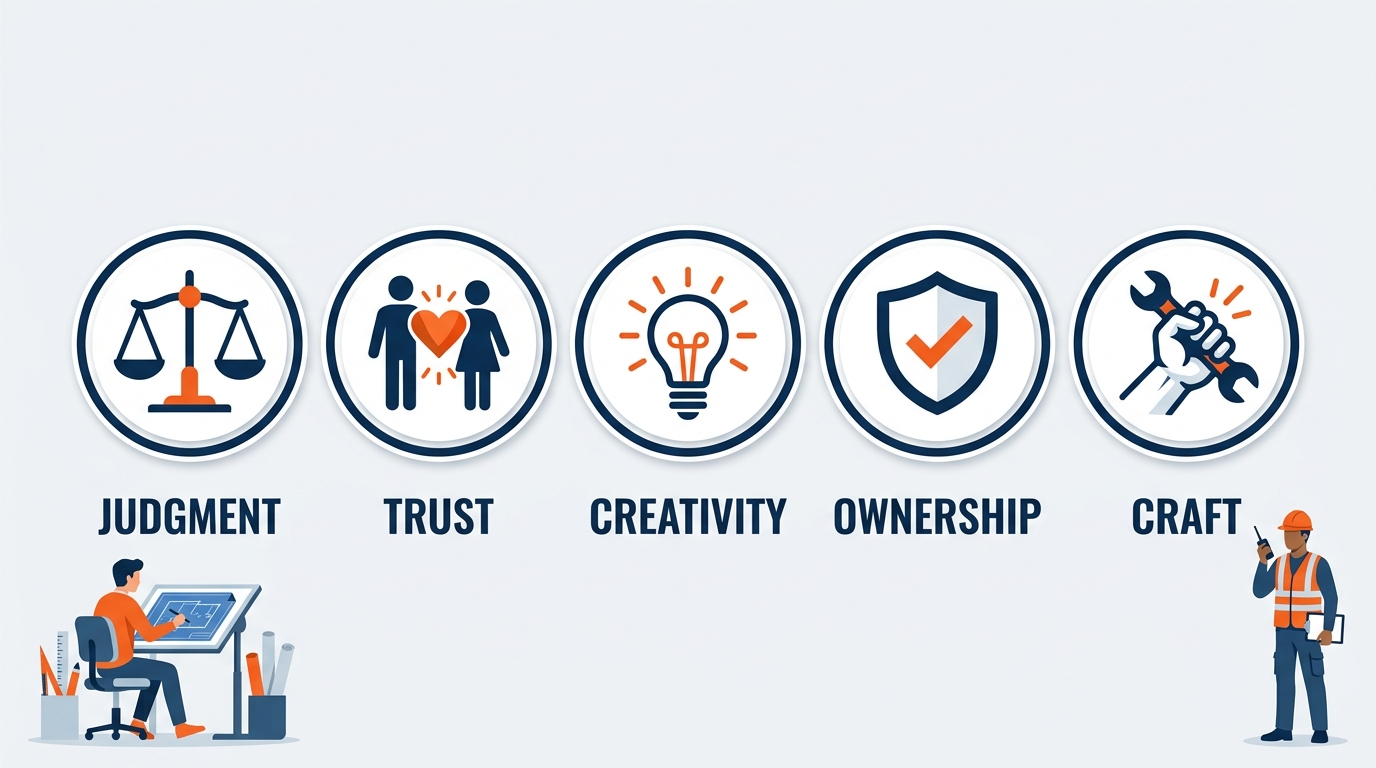
Figure 10:The ten capabilities that AI amplifies but cannot replicate. These are your professional franchise — protect them, develop them, and deploy them deliberately.
1. Leave fingerprints — authenticity is your edge. AI generates content. You have a voice. Exhibitors and organizers can feel the difference between a note that came from you and a note that came from a template, even if they can’t name it. The relationships that matter most at GES are built on the feeling that someone real is paying attention. Be that someone.
2. Build trust that compounds. AI can draft the follow-up email. It cannot walk the floor with an organizer at 7 AM, remember that their operations director just had a baby, stand next to a nervous first-time exhibitor whose freight is late, or be the person they call on a Sunday when something goes wrong. Trust built over years of consistent, personal attention compounds in ways no algorithm can approximate. It is the first letter of T.R.U.E. for a reason.
3. Tell stories that stick. Meaning is made through narrative. The most effective renewal pitch is not the one with the most complete data package — it is the one that tells the right story about what this organizer’s show looks like three years from now with GES beside them. AI can help you draft the story. Only you can feel whether it lands in the room.
4. Spot what others miss. You have venue history, client history, and contextual awareness no external AI model has access to. The pattern that looks like noise in the labor data but strikes you as significant — because you were in that hall when something similar happened three years ago — that is judgment. Guard it.
5. Read the room. Presence. Body language. The moment when you sense that the client’s stated objection about budget is not their real objection. The moment on a floor when you can feel that the crew is running out of gas and the schedule needs to change. These are not learnable from training data. They are earned through experience and sharpened through attention.
6. Ask questions AI doesn’t ask. AI asks from patterns. You ask from gaps — from the thing you noticed that doesn’t fit, from the follow-up that occurs to you because you know what this organizer usually doesn’t say. The best questions in this business are not predictable. They come from a mind that is genuinely curious and genuinely present.
7. Trust your taste. AI generates volume. Judgment curates quality. The ability to look at ten AI-generated stand concepts and know — immediately, from experience — which one will actually photograph well, survive three days of traffic, and make the client’s CMO proud: that is taste. It develops over years. It cannot be prompted. This is where humans raise the ceiling.
8. Be the one who gets it done. Everyone will have AI. Not everyone will execute. The combination of initiative, accountability, and follow-through — the quality that makes clients and colleagues say “if I give this to her, it actually happens” — is as rare and valuable as ever. Probably more so, in a world where AI handles the easy parts and execution becomes the differentiator. In a business measured in move-in deadlines, this superpower has always been the one that mattered most.
9. Empathize beyond algorithms. Be the person someone trusts more than AI. Not because you know more — Copilot may know more about their industry than you do. But because you are present. Because your concern is genuine. Because your relationship is real. In an industry where the hardest moments happen at the worst hours, this matters more than any technical capability. People come first. That is Understanding.
10. Protect your reputation. One AI-generated output with your name on it that turns out to contain a wrong rate, an invented rule, or a commitment GES can’t honor can cost years of trust with an organizer. Your reputation is not a line on your LinkedIn profile. It is the accumulated perception of thousands of interactions, over years, with the people who matter most to your career — and it is a piece of the company’s reputation, too. AI assists that process. It cannot protect it. Only you can do that.
1.15🧪 Try This — Three Exercises in Mindset
These exercises are not optional. They are the chapter. The concepts above become real only when you practice them. Budget 30 minutes total.
1.16Chapter Close
The work in this chapter is invisible from the outside.
No one saw you make the mindset shift. No one knows whether you answered the two lists honestly, whether the sparring partner prompt revealed something about a decision you’re carrying, or whether the reframe from “this is happening to me” to “this is happening for me” landed somewhere real.
But here is what is true: everything that follows in this book will work better because you did this chapter. Every Word draft, every Excel model, every Teams channel, every SharePoint library, every Copilot agent you build in the chapters ahead — the quality of all of it is shaped by whether you approach the tool with a growth mindset or a fixed one, with curiosity or resignation, with a willingness to experiment or a posture of minimal compliance.
In 1939, this company was a small sign and exhibit shop in Kansas City. It became a global operation across 75+ countries, 24 facilities, and 4,000+ live experiences a year because generation after generation of people decided that the way it had always been done was not the way it had to be done. On December 31, 2024, GES got the freedom to make that decision for itself again.
Mindset is not the soft skill.
It is the operating system.
And now yours is updated.
AI Orchestrator A professional who directs and coordinates AI tools, agents, and capabilities to produce outcomes that exceed what either the human or the AI could achieve independently. The role this master class is training you for.
Copilot Cowork Microsoft’s agentic capability, generally available June 16, 2026 and running on Anthropic models, that executes complex, long-running, multi-tool tasks end-to-end across Microsoft 365 and returns completed results rather than drafts. Its defining implication is professional, not technical: it shifts the user from task-doer to delegator and reviewer.
Delegation Brief A written scope for work handed to an AI agent (or a colleague), specifying inputs and their location, the required output artifact, audience, format, constraints, the definition of “good,” and the verification method. Writing one externalizes context that otherwise lives only in an individual’s head.
T.R.U.E. Values GES’s core values — Trust, Responsibility, Understanding, Excellence — and, in this book, the governing framework for AI use: verify outputs and be honest about them (Trust), own everything that carries your name (Responsibility), let AI absorb toil so people get more attention (Understanding), and use AI to raise the floor while humans raise the ceiling (Excellence).
Productive Friction The deliberate practice of critically evaluating, challenging, and improving AI outputs — as opposed to passive acceptance — in order to develop professional judgment rather than replace it. Becomes more important, not less, as AI outputs look more finished.
Identity Layer The deepest layer of AI adoption resistance, rooted in the belief that one’s professional identity is defined by specific tasks rather than judgment and relationships. Resolving the identity layer is the prerequisite to sustained AI adoption.
Permission Gap The organizational condition in which professionals want to learn and use AI but are waiting for explicit organizational permission, guidance, or cultural safety signals before they begin.
The Two Lists A reflective exercise in which a professional honestly enumerates which tasks AI will handle better (to be delegated) and which capabilities they will do better with AI (to be amplified) — producing a personal AI adoption roadmap.
Sparring Partner Mode A prompting approach in which Copilot is directed to take an adversarial, skeptical perspective on the user’s reasoning — functioning as an intellectual challenge rather than a task-completer.
Value Equation (New) The expression (Human Judgment × AI Capability)^Collaboration — describing how AI-augmented professional value grows exponentially rather than linearly.